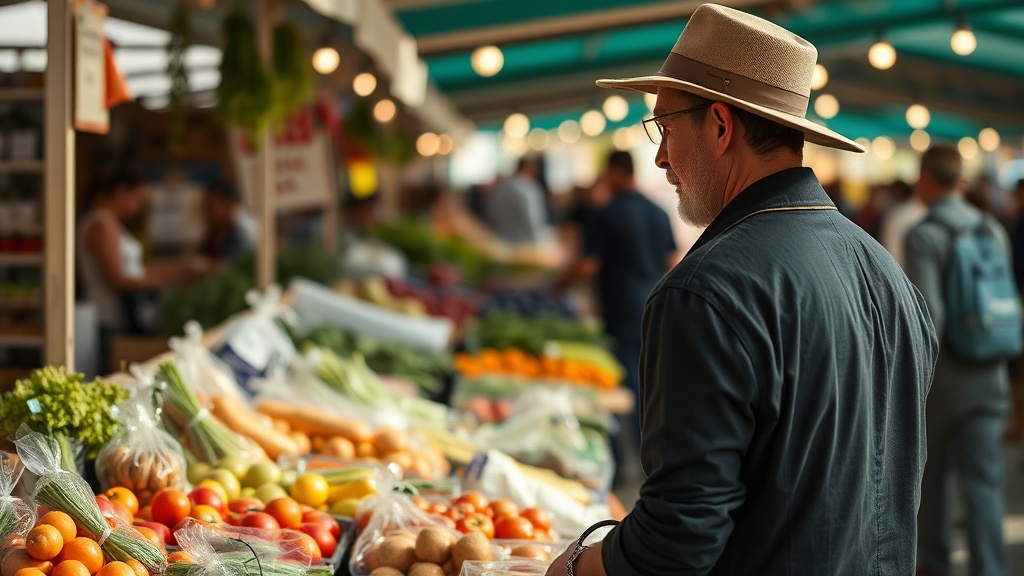
A Saturday Morning at the Local Farmers Market

Many people believe that shopping at a local farmers market is a luxury reserved for those with extra time and a significant budget. That isn't the case. While the prices for specialty items might be slightly higher than the bottom-shelf options at a big-box grocery store, the real value lies in the nutritional density, the shelf life of the produce, and the direct support of the Madawaska County economy. This post breaks down what you can actually expect when you head downtown on a Saturday morning, from the seasonal availability of produce to the logistics of bringing your own gear.
If you're new to the scene, the Edmundston experience is much more than just a place to grab a bag of potatoes. It's a weekly rhythm for the community. You'll find everything from hand-pressed juices to artisanal meats that you simply won't find at a standard supermarket. It’s a way to ensure your food travels fewer miles from the field to your plate.
What Can You Buy at the Edmundston Farmers Market?
You can purchase a wide variety of seasonal produce, local meats, organic honey, fresh baked goods, and handmade crafts. The inventory shifts significantly depending on the month, so your shopping list will look very different in July than it does in September. In the early spring, you'll see more hearty root vegetables and preserved goods, while the summer months bring the heavy hitters like berries and stone fruits.
The selection usually falls into a few distinct categories. I've noticed that the most popular items often sell out by 11:00 AM. If you want the best selection, get there early. Here is a quick breakdown of what to look for:
- Produce: Seasonal vegetables like carrots, potatoes, and greens, alongside fruit like strawberries or blueberries.
- Dairy & Eggs: Often includes local cheeses and farm-fresh eggs that have a much richer color than store-bought versions.
- Bakery Items: Sourdough breads, pastries, and sometimes even traditional French-Canadian treats.
- Crafts & Goods: Hand-poured candles, woodworking, and local art that makes great gifts.
I've found that the bread selection is particularly impressive. If you're a fan of high-quality carbohydrates, you'll likely want to check out the best local bakeries and pastry shops to see how these market goods compare to specialized shops. The difference in texture and crust is often night and day.
One thing to note: many vendors do not accept credit cards for small purchases. It’s a smart move to carry cash. While some might have a mobile reader, relying on cash prevents that awkward moment when a transaction fails at the register. It's also better for the vendors who often have to pay high fees for digital processing.
How Much Does a Saturday Morning Grocery Run Cost?
A typical Saturday morning market run for a single person usually costs between $30 and $60, depending on whether you are buying basic produce or specialty items. While you might spend more per pound on organic berries or high-end cheese, you often save money by buying items that actually last. A pint of strawberries from a local farm often stays fresh in your fridge longer than the ones shipped from thousands of miles away.
Let's look at a rough comparison of what you might spend on common items between a discount grocer and the local market. Prices are estimates based on current regional trends.
| Item | Standard Grocery Store (Est.) | Local Market (Est.) |
|---|---|---|
| Dozen Eggs | $4.50 | $6.00 |
| Local Honey (500g) | $8.00 | $12.00 |
| Fresh Sourdough Loaf | $4.00 | $7.00 |
| Seasonal Berries (Pint) | $5.00 | $6.00 |
That said, the quality difference is noticeable. The eggs aren't just food; they're a connection to a farm. The honey isn't just a sweetener; it's the specific floral profile of the Madawaska region. It's a trade-off of a few extra cents for a much better product.
If you are looking for more scientific backing on why local food matters, the Wikipedia page on farmers markets provides a deep dive into the economic and social impacts of these community hubs. It isn't just about food; it's about keeping money circulating within our own borders.
When is the Best Time to Visit?
The best time to visit the market is between 8:30 AM and 10:00 AM to secure the freshest stock and avoid the midday crowds. If you show up at noon, you might find the best vendors have already packed up or are running low on their most popular items. The atmosphere is much calmer in the early morning, which is perfect if you want to chat with the producers without being rushed.
I personally love the early window. There's a certain energy in the air—the smell of coffee, the crisp morning air, and the sound of people catching up. It's a much more social experience than the sterile aisles of a supermarket. You might even run into a neighbor or a local contact while you're browsing the vegetable stalls.
If you're looking for a place to relax after your shopping, you might want to grab a coffee and catch the view at the Hilltop. It's a great way to transition from the bustle of the market to a more peaceful part of your morning.
Here is a quick checklist of what to bring with you so you aren't caught off guard:
- Reusable Totes: Many vendors are moving away from single-use plastics, and having your own bags is more environmentally friendly.
- Cash: As mentioned, don't rely on your phone or card for everything.
- Small Change: For those small, unexpected purchases.
- A Sturdy Basket: Especially if you're buying heavy items like potatoes or melons.
One thing I've learned over the years is that the weather can be unpredictable. Even if the sun is out, a sudden Atlantic breeze can make it feel much colder than expected. Bring a light jacket—you'll be glad you did when you're standing still while browsing the honey displays.
The seasonality of the market is its greatest strength and its biggest challenge. In the winter, the selection might feel limited, but that's when the preserved goods and root vegetables shine. In the summer, it's an absolute explosion of color and flavor. You have to adapt your shopping habits to the season. Don't go looking for tomatoes in November; look for the amazing preserves and fermented goods instead.
The social aspect cannot be overstated. It's one of the few places left where you can actually talk to the person who grew your food. You can ask them how to best prepare a certain vegetable or what the best way to store their herbs is. That knowledge is invaluable. It turns a chore into an education.
The market isn't just a place to buy food. It's a place to see the community in action. It's a reminder that even in a digital age, there is immense value in the physical, the local, and the tangible. Whether you are there for a single loaf of bread or a full week's worth of groceries, you're participating in something much larger than a simple transaction.