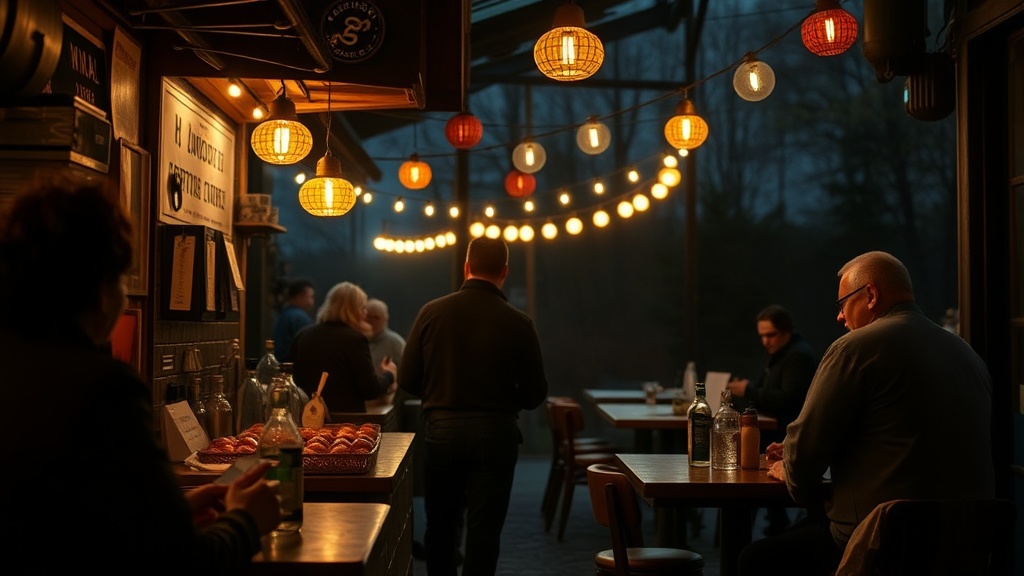
How to Eat Your Way Through the Republic of Madawaska

Over 90% of the buckwheat grown in North America is the common variety, but in a small corner of New Brunswick, farmers still cultivate a bitter, yellow-hued strain called Tartary buckwheat. This isn't just a crop; it's the DNA of Edmundston’s food culture. This guide walks you through the specific steps to experience the local flavors of the Republic of Madawaska, from the ritual of the ploye to the resurgence of craft brewing in old municipal buildings. It matters because our food isn't just sustenance—it’s a historical marker of a people who refused to be defined by borders alone.
Where can I find the most authentic ploye in town?
You can't talk about eating here without starting with the ploye. For the uninitiated, it’s a buckwheat pancake that’s never flipped. It cooks on one side only, creating a surface covered in tiny holes (we call them eyes) that are perfect for soaking up butter, maple syrup, or cretons. To find the real thing, you have to look for places that don't try to make it fancy. The Palais de la Ploye is a good starting point, but you’ll often find the best versions at local community breakfasts or small diners that have been using the same cast-iron pans for decades.
The secret is in the mix. True Brayon ployes use a specific ratio of buckwheat flour, white flour, baking powder, and cold water. It’s a simple recipe, but the texture is hard to get right. It should be light, slightly spongy, and have a distinct yellow tint from the Tartary buckwheat. If it’s too thick, it’s just a pancake; if it’s too thin, it won’t hold the toppings. Most locals prefer them with cretons—a savory pork spread seasoned with onions and spices—but if you have a sweet tooth, local maple syrup is the only way to go. You can learn more about our local heritage through